Where an individual is living with complex medical conditions such as diabetes, cancer or memory-related conditions, families often find that effective support depends on a detailed understanding of their specific needs. High-quality nursing provision typically begins with a comprehensive assessment prior to admission. Alongside medical history, current treatment, symptoms and ongoing healthcare requirements, the assessment should also seek to understand personal preferences, established routines and the wishes that shape everyday life. This broader understanding helps ensure support reflects the individual as well as their clinical needs.
This information is used to develop a tailored plan designed to ensure continuity from the outset. In well-structured environments, this process is often developed in collaboration with family members and healthcare professionals to ensure all relevant insight is included.
Following admission, care plans are reviewed closely during the initial period to ensure they remain appropriate. Adjustments are made where necessary in response to how the individual is settling and responding to their environment, ensuring continuity of clinical oversight and coordination between care teams and family input.
Responsive Support for Changing Needs
For individuals living with complex or long-term conditions, requirements may evolve over time or vary on a day-to-day basis. This means nursing provision must remain flexible and responsive to ensure stability is maintained.
This may involve adjustments to medication routines, nutritional planning or levels of daily assistance. Ongoing observation allows nursing teams to identify changes early and adapt provision accordingly.
For families supporting someone with a progressive condition such as dementia or Parkinson’s disease, this responsiveness helps ensure that clinical decisions and daily support remain aligned as needs evolve.
Thoughtfully Curated Treatment Programmes
Effective support for complex conditions often involves a combination of clinical oversight, therapeutic input and specialist involvement. Structured treatment programmes bring these elements together in a coordinated way to support both health and wellbeing.
These may include medication management, pain relief strategies and access to therapies such as physiotherapy or mobility support. Where required, input from external specialists can be incorporated into the wider plan of care.
The focus is on ensuring that all elements work together cohesively, with clear coordination between clinical oversight, specialist input and day-to-day delivery of care.
24 Hour Lifestyle Support
Alongside clinical requirements, maintaining daily rhythm, engagement and familiarity plays an important role in overall wellbeing. Families often place value on environments where individuals are supported to continue meaningful routines and activities where possible.
This may include participation in social experiences, time with visiting family members or engagement in personal interests. Well-designed environments can also provide a range of spaces that support both privacy and connection.
In addition, structured lifestyle programmes may include creative activities, gentle exercise and opportunities for cognitive engagement, helping maintain routine, stimulation and social connection.
Transitioning into a Luxury Care Environment
Moving into a nursing environment is a significant transition for both individuals and their families, particularly where complex health needs are involved. A structured approach helps ensure continuity of care and reassurance throughout the process.
This typically involves preparation prior to admission, followed by close monitoring during the early stages to ensure support is working effectively. Over time, adjustments are made to ensure ongoing alignment with individual needs.
The aim is to create a stable, well-coordinated environment where clinical requirements and daily living are managed in a structured and consistent way, supported by clear communication between teams and families.
Care at Loveday
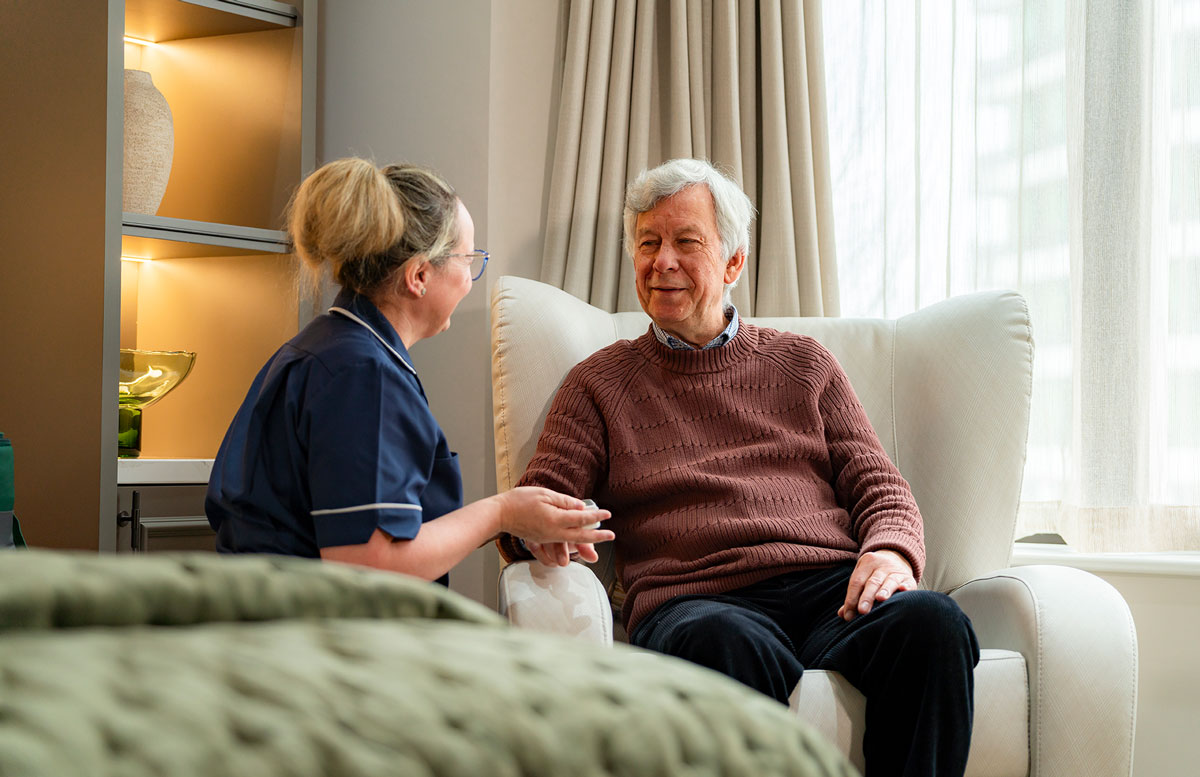
Within Loveday residences, nursing teams work closely with families and healthcare professionals to deliver structured, individualised support for people with complex medical needs. Each plan is developed around clinical requirements, personal preferences and long-term goals.
Care is regularly reviewed to ensure it continues to reflect changing needs, with coordinated input from clinical and lifestyle teams to maintain continuity and consistency of support. Alongside clinical provision, residents are supported within carefully designed environments that promote familiarity, engagement and wellbeing.
Transitioning into Loveday with Complex Medical Needs
Loveday provides nursing support for individuals with complex and evolving health requirements, combining structured clinical oversight with a considered approach to daily living.
Each plan is tailored to the individual and informed by ongoing clinical input and regular review, ensuring support remains appropriate over time. The emphasis is on continuity, stability and quality of life within a carefully managed environment.
Click here to read our full article about transitioning into care at Loveday.
To find out more about how nursing provision can support complex medical needs, or to arrange a visit to a Loveday residence, please contact the team on
020 4530 4700.