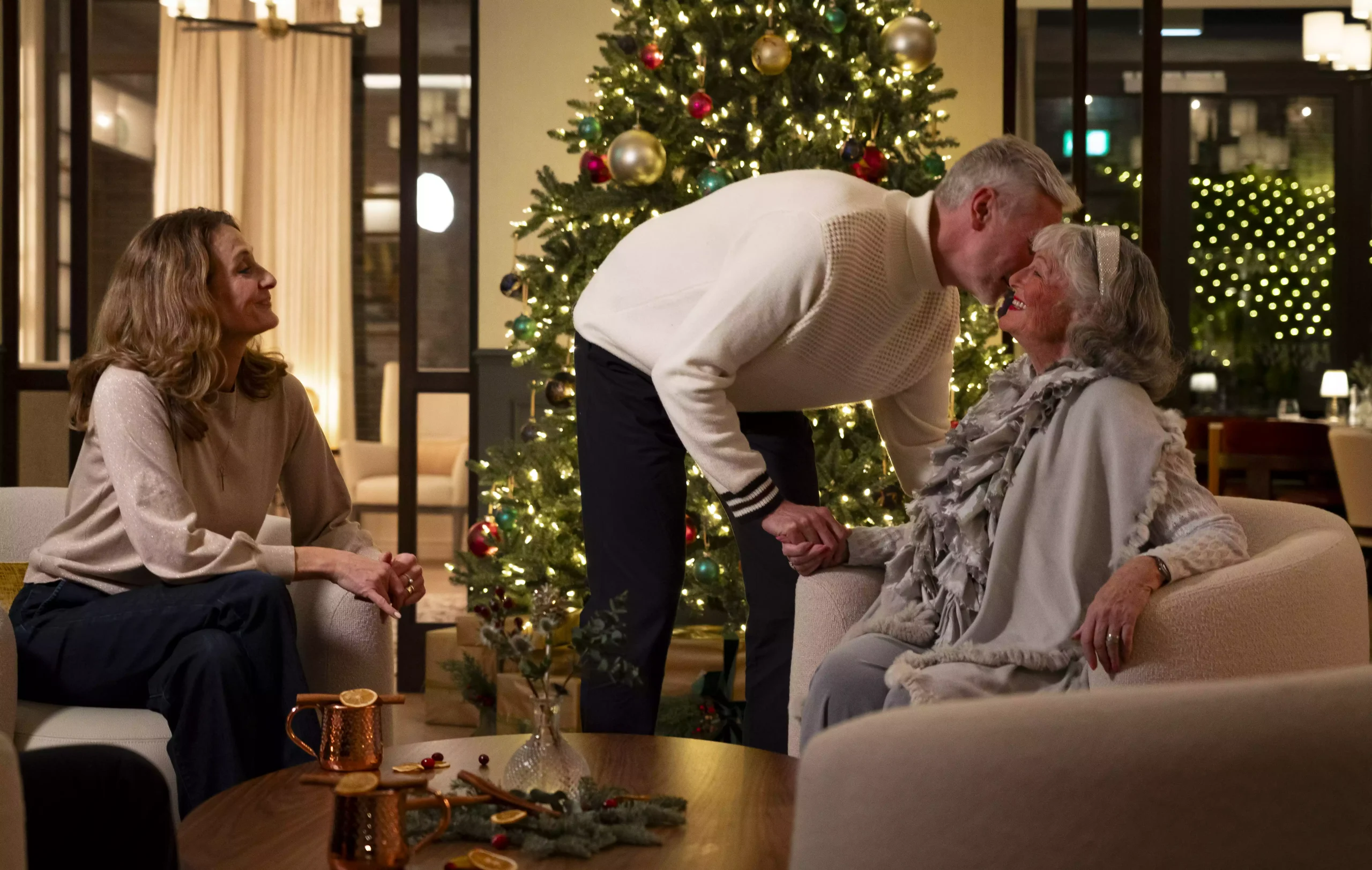
Winter often brings a noticeable change in pace. Days are shorter, routines shift and there is naturally less pressure to be constantly active. In later life, this change can be welcomed rather than resisted. The season creates space for reflection, offering time to consider experiences, priorities and personal rhythms without urgency.
As life becomes less driven by external schedules, winter supports a more measured approach to daily living. You may find yourself spending more time in conversation, in thought, or simply noticing how you feel. These moments are not about doing less for the sake of it, but about allowing emotional life to settle and become clearer. In this way, winter can support mental wellbeing by encouraging awareness, perspective and a calmer relationship with time.
Rather than viewing winter as restrictive, you can approach it as a season that invites adjustment. By aligning with its quieter tempo, you create conditions for reflection and emotional balance that feel natural, sustaining and deeply relevant to this stage of life.
The emotional intelligence of winter
Winter brings with it a distinct emotional intelligence – one that aligns naturally with later life. As the external world slows, you are invited into a season that values depth over urgency, awareness over activity, and presence over performance. Within this quieter rhythm, emotional wellbeing is not pursued, but gently revealed.
- A natural slowing of time
Winter supports a more deliberate pace, allowing you to move through each day without pressure to rush or overfill it. - Deeper, more meaningful reflection
Stillness creates space to revisit memories, recognise achievements and integrate life experiences with clarity and calm. - Comfort with silence
Moments of quiet become restorative rather than empty, encouraging thoughtfulness and emotional ease. - Heightened self-awareness
With fewer distractions, you may feel more attuned to your inner landscape – your preferences, emotions and personal rhythms. - Acceptance and emotional balance
Reflection during winter often creates a sense of ease with what is, supporting confidence grounded in self-knowledge rather than momentum. - A season that values depth over display
Winter allows emotional life to unfold without expectation, reinforcing a sense of wholeness and continuity.
Mindfulness through seasonal rhythm
Mindfulness in later life does not require instruction or formality. In winter, it arises naturally through repetition and rhythm. Morning light filtering through the window. Afternoon tea taken unhurriedly. Evenings that arrive earlier, inviting rest and contemplation.
These predictable patterns provide a sense of continuity when the outside world feels less defined. They offer structure without rigidity, allowing each day to unfold with intention rather than urgency. This gentle sequencing supports mental clarity and emotional steadiness, particularly during a season that encourages introspection.
By embracing these rhythms, you remain oriented not only in place, but in time. The day has shape. The season has purpose. And within that structure, your emotional life is given room to breathe.
Gratitude as a winter practice
Winter invites gratitude in quieter forms. It is found not in grand gestures, but in considered details: a beautifully prepared meal, a familiar piece of music, a shared moment of recognition with someone who understands you.
In later life, gratitude becomes less about accumulation and more about appreciation. Winter heightens this shift. With fewer external expectations, attention settles on what remains constant and meaningful. Relationships deepen. Rituals gain significance. Comfort becomes deliberate rather than incidental.
This orientation towards gratitude supports emotional balance during the colder months. It encourages a perspective that values continuity, presence and reflection – essential elements of mental wellbeing for elderly in winter.
Acceptance and emotional ease
There is a particular elegance to winter acceptance. It does not demand optimism, nor does it dwell on loss. Instead, it acknowledges the season as it is – quieter, slower, inward-facing and finds value within those qualities.
Later life brings a similar understanding. You have lived through cycles of change, challenge and renewal. Winter reflects this accumulated wisdom, offering a season that honours experience rather than novelty.
Acceptance during winter allows you to release the pressure to remain constantly active or externally engaged. It affirms that stillness is not absence, but presence in another form. This emotional ease reduces internal friction and supports a sense of equilibrium that carries through the season.
Environment as emotional support
The spaces you inhabit play a significant role in how winter is experienced. Interiors that respond thoughtfully to the season through warmth, light and proportion help reinforce emotional balance.
Soft transitions between spaces, carefully calibrated lighting and environments that invite pause all contribute to a sense of ease. When the exterior world becomes muted, interior environments take on greater importance, shaping mood, focus and comfort throughout the day.
These surroundings do not overwhelm or stimulate unnecessarily. Instead, they support reflection, conversation and quiet engagement, allowing winter to unfold with grace rather than constraint.
Connection without demand
Winter changes how connection is expressed. It becomes less performative, more intentional. You may find that relationships feel deeper when there is no pressure to fill time or entertain.
Shared meals, unhurried conversations and moments of mutual recognition become central. This form of connection supports emotional wellbeing without exhausting social expectations. It allows you to engage fully, on your own terms, within a rhythm that respects the season.
Mental wellbeing for elderly in winter is often strengthened not by increased activity, but by meaningful connection that feels proportionate and considered.
Winter as enrichment, not retreat
There is a tendency to view winter as a period of withdrawal. Yet in later life, it can be reframed as a season of enrichment – one that offers clarity, perspective and emotional depth.
By aligning daily life with winter’s natural cadence, you allow the season to support rather than disrupt your wellbeing. Reflection becomes restorative. Mindfulness emerges organically. Acceptance brings calm.
Winter does not diminish life; it refines it. And within that refinement lies an opportunity to experience the season as one of quiet fulfilment and renewed emotional balance.
Reimagining Later Living at Loveday
At Loveday, winter is curated with intention, offering environments, rhythms and experiences that honour reflection and emotional balance. Discover how life at Loveday supports mental wellbeing through every season.
Discover How Loveday Supports Mental Wellbeing for Elderly in Winter