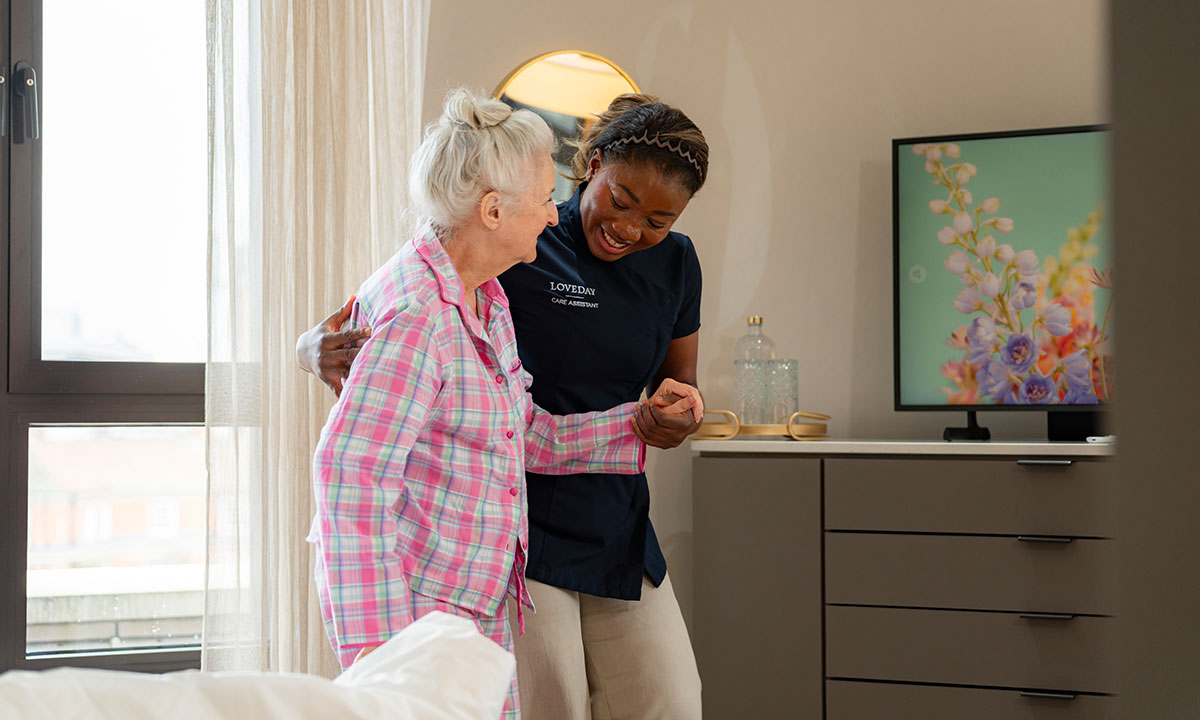
The period following a stroke often marks the beginning of a highly individual rehabilitation journey, shaped by specialist input, personal goals and evolving needs.
For many older adults, the immediate medical emergency is only the beginning of a much longer period of rehabilitation. Changes in mobility, communication, confidence and daily independence can present new considerations, while families are often faced with important decisions about how best to support a loved one in the weeks and months ahead.
Whilst medical treatment may have stabilised the stroke itself, rehabilitation is often only just beginning. As recovery progresses, needs may evolve, and the right environment can play a crucial role in influencing both recovery and quality of life.
Understanding what stroke recovery involves and when residential nursing care may be beneficial can help families make informed decisions during an understandably significant time.
Understanding the Impact of a Stroke
A stroke occurs when blood flow to part of the brain is interrupted, either through a blockage or bleeding within the brain. The effects depend on the area affected and the severity of the injury, meaning no two experiences are exactly the same.
The effects can vary considerably. Some individuals are able to return to a greater degree of independence, whilst others benefit from ongoing assistance with mobility, communication, memory or aspects of daily life as rehabilitation progresses.
Alongside the physical impact, many people experience a period of emotional adjustment. Activities that once felt effortless may require greater concentration or assistance, while changes in speech or mobility can affect confidence and social engagement. Families are often adapting at the same time, learning how best to support a loved one whilst navigating unfamiliar healthcare decisions.
Recovery extends beyond rehabilitation alone. It is about helping individuals adapt to change whilst continuing to engage with the people, interests and experiences that remain important to them.
Navigating the Transition from Hospital to Rehabilitation
Following discharge from hospital, families frequently find themselves managing a combination of appointments, medication schedules and changing care requirements. Whilst some individuals are able to return home with limited assistance, others benefit from a level of clinical oversight that is often best delivered within a dedicated residential setting.
This stage can place considerable demands on families already coordinating multiple aspects of daily care, appointments and ongoing clinical input during a period of adjustment after a significant health event. Alongside this, many are balancing practical responsibilities with the desire to ensure their loved one continues to maintain familiar routines, relationships and interests wherever possible.
These considerations often lead families to explore whether a residential setting may offer greater consistency in the period following discharge.
The Foundations of Stroke Recovery
Successful recovery is shaped by a combination of specialist expertise, ongoing assessment and carefully tailored care. Whilst every individual’s experience is different, bringing together the right clinical and therapeutic input can help residents maintain independence and quality of life.
An effective programme typically brings together expertise from multiple disciplines. Physiotherapists may focus on mobility, balance and strength, helping residents build confidence in everyday movement and functional independence. Occupational therapists often work with individuals to rebuild confidence with everyday tasks, whilst speech and language therapists can help strengthen communication and swallowing function where required, supporting both independence and social engagement.
Alongside therapy input, nursing oversight remains integral to ongoing care. Medication may require regular review; underlying health conditions must continue to be managed and any changes in physical or cognitive health need to be recognised promptly.
Nursing teams collaborate closely with therapists and healthcare professionals to ensure care evolves alongside each resident’s needs and goals. The most effective programmes bring these elements together cohesively, ensuring provision remains aligned with the individual’s progress, priorities and aspirations.
Transitioning into a Luxury Care Environment
Moving into a nursing environment is a significant transition for both individuals and their families, particularly where complex health needs are involved. A structured approach helps ensure continuity of care and reassurance throughout the process.
This typically involves preparation prior to admission, followed by close monitoring during the early stages to ensure support is working effectively. Over time, adjustments are made to ensure ongoing alignment with individual needs.
The aim is to create a stable, well-coordinated environment where clinical requirements and daily living are managed in a structured and consistent way, supported by clear communication between teams and families.
When Residential Nursing Care May Be Appropriate
Residential nursing care is not necessary following every stroke. However, for some individuals, it can provide valuable consistency during recovery, particularly where ongoing observation and continuous care are required, such as for those experiencing significant mobility challenges, requiring complex medication management, or benefiting from access to clinical oversight throughout the day and night.
In these situations, a residential setting can also remove some of the practical challenges that may otherwise arise when coordinating multiple aspects of care across different locations. Therapies, clinical input and daily care needs can be managed within a single environment, helping to reduce the need for coordination across different settings, creating a more consistent experience for both individuals and their families.
Whilst specialist care remains central, recovery is also influenced by wider factors, including opportunities to maintain interests, spend time with others and continue engaging in familiar routines. These elements can play a role in maintaining confidence and motivation during this period.
The Importance of Environment in Stroke Recovery
Clinical expertise underpins recovery, but the environment in which care takes place can also shape an individual’s experience.
Access to specialist input, opportunities for engagement and a setting that can adapt to changing needs all contribute to creating the right conditions for rehabilitation.
The quality of clinical leadership, access to specialist services and the ability to provide truly tailored care can have a considerable influence on the rehabilitation experience. Recovery following a stroke can change over time, making flexibility and regular review essential.
Families may also wish to consider how daily life is supported within a residence. Opportunities to continue pursuing interests, spend time with family and friends and participate in familiar activities can all contribute positively to motivation and overall wellbeing.
The most effective environments balance clinical excellence with the understanding that rehabilitation is ultimately about enabling individuals to continue living as fully as possible.
Stroke Recovery at Loveday
At Loveday, stroke rehabilitation is approached through a combination of clinical expertise, therapeutic support and highly tailored residential care.
Each resident benefits from a bespoke care plan developed around their individual needs, interests and goals. Nursing teams work closely with therapists and healthcare professionals to ensure support evolves alongside each resident’s needs and aspirations, whilst maintaining continuity throughout their recovery journey.
Alongside clinical input, residents continue to enjoy days shaped around their interests, preferences and goals. From exceptional dining experiences to bespoke programmes and meaningful opportunities for social connection, every aspect of daily life is thoughtfully considered.
Whether enjoying time with family, pursuing long-held interests or discovering new experiences, daily life remains centred on the individual rather than their diagnosis.
The aim is not simply to support rehabilitation, but to help each resident maintain confidence, independence and quality of life wherever possible.
For families exploring residential nursing care following a stroke, our Relationship Team is available to discuss individual circumstances and provide guidance on the support available across Loveday’s residences. To find or to arrange a visit to a Loveday residence, please call 020 4530 4700.