Nursing care plays a vitally important role in managing the symptoms and long-term effects of chronic conditions. For older adults with more complex needs, bespoke care in a carefully curated environment helps to ensure they live in comfort and dignity.
Full-time nursing staff provide a level of clinical expertise and personalised care that ensures an individual’s unique needs, both medical and personal, are accounted for. Dedicated experts provide enhanced monitoring, maintain accurate medical records, administer medications, and have the expertise to identify changes in a person’s condition early.
Read on to find out how nursing care specifically supports the management of diabetes, Parkinson’s disease, heart disease, and stroke recovery, each requiring a distinct and careful approach.
Diabetes
Diabetes mellitus is a chronic disease which impacts the body’s ability to regulate blood glucose levels. If not properly managed, this can lead to complications, including neuropathy and damage to the eyes, kidneys, and heart. Professional nursing care can help an older person with diabetes live comfortably with their condition through monitoring and personalised planning.
One of the key ways to manage diabetes mellitus is through a balanced diet. There is no “one size fits all” approach that works for every person with diabetes; it must be tailored to an individual’s needs. Loveday curates menus that carefully balance fruit and vegetables, healthy proteins like fish, and carbohydrates with a low glycaemic index to ensure the ideal nutritional balance. An individual can continue enjoying their favourite foods in safe amounts and receive meals with additional nutrients to boost their wellbeing. Nursing staff can also provide tailored exercise programs appropriate for an individual’s physical ability. Regular exercise is crucial to managing weight and can even improve insulin sensitivity.
Furthermore, those with diabetes require consistent and accurate monitoring of their condition. Nursing staff will check kidney and liver function as well as hBA1C, electrolyte, and lipid levels. They can also check blood glucose levels, help with medication, and administer insulin injections, which can be difficult for an older person to manage themselves.
Parkinson’s Disease
Full-time nursing staff provide round-the-clock clinical support to help people with Parkinson’s live comfortably. Of particular importance is the administering of medications, which must be taken at consistent times in order to ensure consistency of their effects. Additionally, on-site nurses can monitor for side effects and use their expertise to adjust dosages or even recommend new treatments to respond to the individual’s changing needs.
Residential nursing care also provides additional support and therapy beyond the purely medical. Dedicated staff can work with physiotherapists to create a personalised exercise plan to aid with mobility and ensure an individual can preserve their independence. They can also provide speech and swallowing therapy. This is a highly personalised process that can involve tailoring the diet to account for swallowing difficulties and nutritional needs, as well as sessions with qualified speech therapists to improve clarity and articulation.
Additionally, a specialised residence for older people will be designed to accommodate conditions such as Parkinson’s. At Loveday, our luxury residences are equipped with accessibility measures and other amenities that enable our residents with Parkinson’s to enjoy a fulfilling lifestyle.
Stroke Recovery
Strokes occur when blood flow to a part of the brain is reduced or cut off completely. Symptoms include weakness, paralysis, cognitive issues, and loss of sight. Stroke recovery requires a significant period of adjustment and continual support, and must be tailored to individual symptoms and needs. With professional nursing care, someone who has had a stroke can begin to recover motor function, relearn old skills, and live a comfortable and fulfilling life.
A major element of stroke recovery is the introduction of physical therapy and exercise to improve muscle strength and overcome difficulty with walking or picking up objects. A dedicated team can not only design and enact this plan, but also adjust it for an individual’s condition to ensure they are making the most progress possible.
The range in type and severity of symptoms a stroke can cause means care must be precisely configured to individual needs. This is best handled by a dedicated clinical team closely analysing responses to any medication and therapy. Continual monitoring is vital to check for additional complications or side effects, such as memory problems, infections, and depression. With consistent oversight and care, these symptoms can be identified early and managed effectively to maintain the highest quality of life for the individual.
Heart Disease
Heart disease, or cardiovascular disease (CVD), is the collective name for a group of conditions that affect the heart. They often cause long-term symptoms which require personalised care to manage. Full-time nursing care ensures that individuals receive the clinical support they need while maintaining their independence.
A professionally curated care plan will include a carefully balanced heart-healthy diet with controlled portion sizes. These diets can be adjusted to help someone with heart disease manage their weight while ensuring proper nutrition and comfort. Gentle aerobic exercises like walking and swimming can also be introduced to lower blood pressure and resting heart rate. These measures are vital for heart health and for reducing the risk of diabetes, high blood pressure, and further complications.
Nursing care is also essential not just for day-to-day support, but also for specialist rehabilitation after surgery. Professional nursing staff can use the recommendations of the surgical team to ensure the individual recovers quickly and comfortably. This support not only includes the aforementioned diet and exercise plans, but also specialist cardiac rehabilitation and physiotherapy.
At Loveday, we provide an elevated level of residential nursing care that not only ensures these medical and practical needs are expertly met, but enables our residents to maintain their independence. Rather than transforming their routine to revolve around their condition, individuals with CVD are empowered to continue with regular tasks and activities and their care is seamlessly integrated into a fulfilling and rewarding lifestyle.
Managing Chronic Conditions with Professional Nursing Care
These conditions are not only complex but vary significantly in terms of the symptoms, severity, and recovery requirements. Specialist, personalised nursing care is the best way to effectively manage these conditions while creating the highest quality of life.
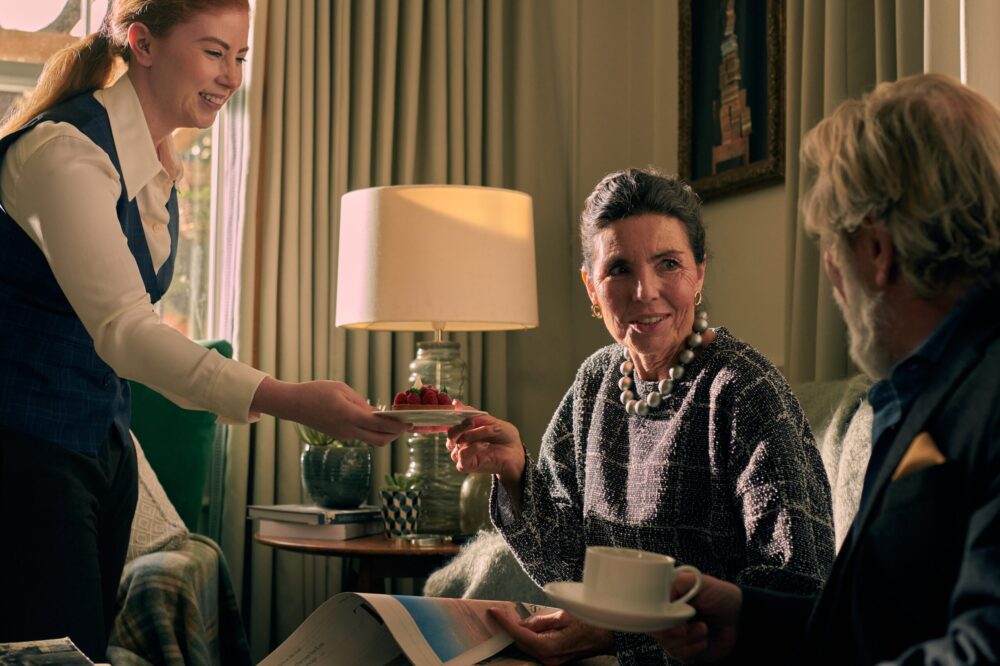
At Loveday, we deliver an elevated level of nursing care. Our residents receive unparalleled clinical support woven seamlessly into their lifestyle at one of our sophisticated residences. This enables them to receive the care they require in an elegant setting designed to promote independence and fulfilment.
To find out more about how you or your loved one can benefit from elevated care in a luxury setting, call 02045304700 or sign up for our newsletter using the form below.