

Recovering from surgery can be physically demanding and emotionally challenging. Pain is a natural part of the healing process, yet depending too heavily on medication can bring unwanted side effects and, in some cases, slow progress. At The 1150 Club, we promote a holistic model of post-surgical recovery, helping you manage discomfort safely while optimising healing and long-term outcomes.
Effective pain management works best when delivered proactively. Combining evidence-based techniques reduces the need for higher doses of medication, minimises side effects and supports a smoother, more empowered rehabilitation journey.
Key strategies that form part of a balanced approach to post-surgical pain management include:
- Cold and heat therapy
- Gentle movement
- Mind–body techniques
- Nutrient-dense nutrition
- Physical support tools
- Complementary therapies such as massage and hydrotherapy
Understanding Post-Surgical Pain
Post-surgical pain is the body’s natural response to tissue repair. While medication often plays an essential role, integrating non-pharmacological strategies can help minimise drowsiness, nausea or constipation and enhance the overall healing process. Addressing discomfort early, before it becomes intense, can accelerate mobility, protect your wellbeing and improve long-term outcomes.
Cold and Heat Therapy
Targeted temperature therapy is one of the most effective and immediate ways to relieve post-surgical discomfort. At The 1150 Club, we offer advanced amenities including an infrared sauna and cold-water therapy to support your recovery safely and strategically.
- Cold Therapy: Applying cold compresses or ice packs helps reduce inflammation, swelling and sharp discomfort, particularly within the first 48 hours after surgery. Ice should always be wrapped in a soft cloth to protect the skin. Cold-water therapy, available at The 1150 Club, provides a more controlled and immersive option for reducing inflammation, calming irritated tissues and supporting circulation. It can also help regulate the nervous system, improving clarity and reducing the body’s stress response during recovery.
- Heat Therapy: Once the initial acute phase has passed, gentle heat becomes highly effective at relaxing stiff muscles, improving circulation and easing deeper aches. Warm compresses or heated pads can offer relief, while The 1150 Club’s infrared sauna provides a more targeted therapeutic benefit. Infrared heat penetrates deeper into soft tissues, helping to reduce muscular tension, promote blood flow, ease joint stiffness and support detoxification, all of which contribute to an enhanced healing environment. Alternating between cold and heat, when clinically appropriate, can further optimise comfort and accelerate recovery.
Gentle Movement and Stretching
While rest is vital, too much immobility can lead to stiffness, delayed circulation and reduced healing efficiency. Under the guidance of your surgeon or physiotherapist, light movement helps:
- Promote blood flow to support tissue repair
- Reduce swelling and muscular tightness
- Maintain joint mobility and functional strength
Simple activities such as steady walking, controlled stretching or guided physiotherapy exercises, can significantly improve comfort and recovery speed. Movement should always be gradual and stopped if pain intensifies.
Mind–Body Techniques
Pain perception is closely linked to stress, tension and emotional state. Calming the nervous system can reduce discomfort and improve your overall recovery experience. This includes:
- Deep Breathing: Helps regulate stress responses and reduce pain sensitivity.
- Guided Meditation or Visualisation: Imagery-based relaxation techniques can lower anxiety and shift focus away from discomfort.
- Progressive Muscle Relaxation: Alternately tensing and releasing muscle groups reduces tension that may exacerbate pain.
When practised daily, these techniques support emotional balance and give you a greater sense of control during recovery.
Nutrition for Pain Management
Nutrition plays a critical role in regulating inflammation and supporting cellular repair.
- Anti-inflammatory foods: Fatty fish, turmeric, ginger, olive oil and leafy greens naturally reduce inflammation.
- Adequate protein: Essential for rebuilding tissues and restoring strength.
- Hydration: Water and herbal teas assist nutrient transport, circulation and recovery.
- Avoiding processed foods: High-sugar and refined products can increase inflammation and slow healing.
A nutrient-rich diet enhances every aspect of rehabilitation, working in synergy with physical and mind–body strategies.
Physical Support and Comfort Measures
Small physical adjustments can dramatically improve comfort day to day.
- Supportive positioning: Cushions, wedges or specialised supports can relieve pressure and maintain optimal posture, especially after abdominal or spinal procedures.
- Compression garments or braces: Provide stability, reduce swelling and support the body as it heals.
- Ergonomic furniture: Adjustable seating or beds help maintain alignment and minimise strain on vulnerable areas. Your healthcare team can recommend the right tools based on your procedure and recovery stage.
Complementary Therapies
Certain non-invasive therapies can enhance comfort and promote mobility as part of a supervised recovery plan.
- Massage Therapy: Improves circulation, reduces stiffness and alleviates muscular tension.
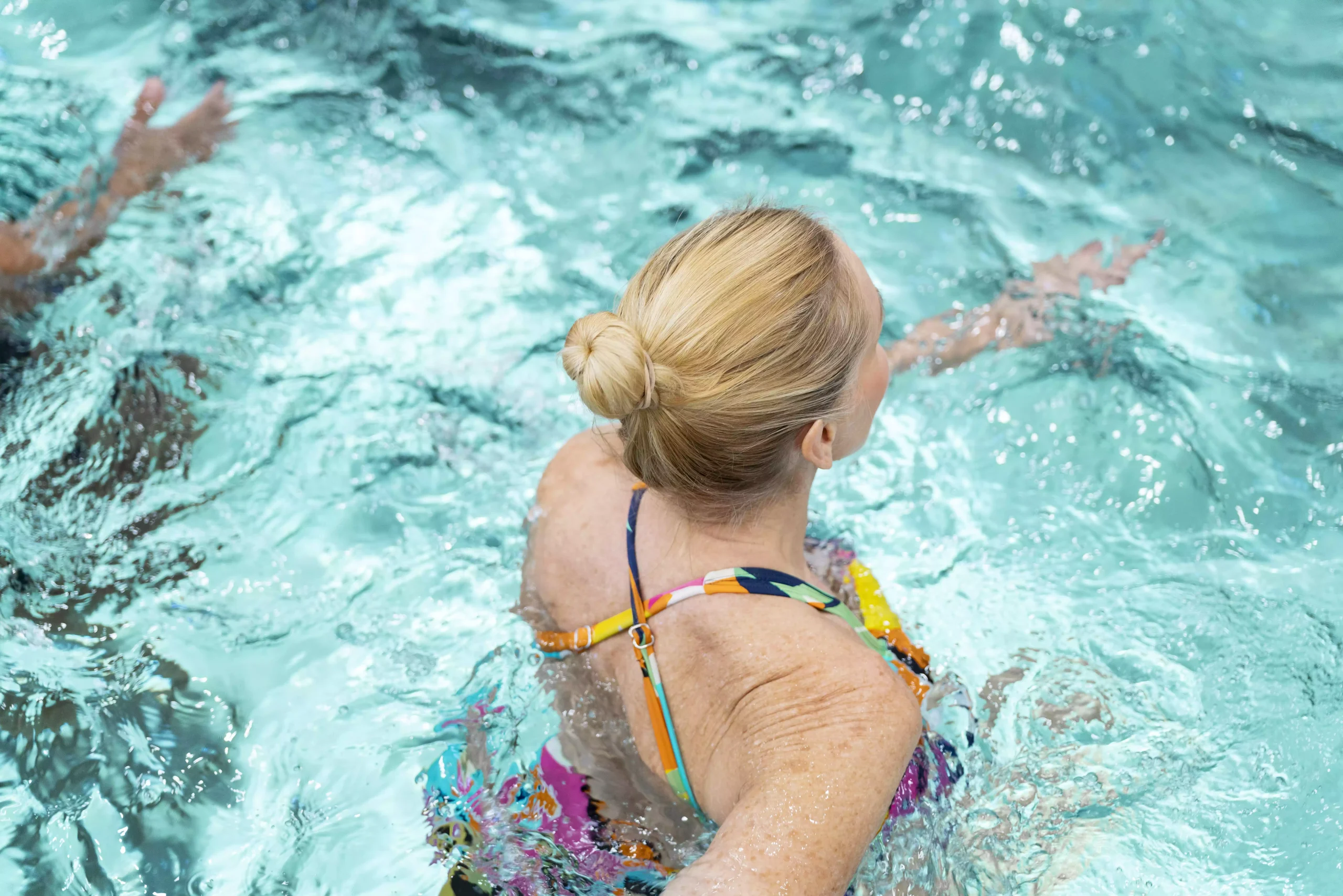
- Hydrotherapy: Supports low-impact movement in warm water, easing discomfort and promoting mobility without placing stress on healing tissues. These approaches should always be discussed with your medical team to ensure timing and technique are appropriate for your surgical recovery.
When Medication Is Necessary
Pain relief medications can be vital, particularly immediately after surgery. The aim is not to eliminate medication but to integrate it into a balanced plan that includes:
- Following medical instructions closely
- Combining medication with non-pharmacological techniques
- Monitoring for side effects such as constipation, nausea or fatigue
This blended approach often leads to more effective, stable and comfortable recovery.
Lifestyle Habits That Support Healing
Long-term recovery is strengthened by restorative lifestyle habits, including:
- Quality sleep to support tissue repair
- Stress reduction routines that calm the mind and reduce pain sensitivity
- Gradual return to daily activity, avoiding overexertion
- Avoid smoking and alcohol – both of which impair healing and increase inflammation
These habits create an environment in which your body can strengthen and recover effectively.
The 1150 Club Approach
At The 1150 Club, we believe your recovery should be comprehensive, coordinated and nurturing. Our approach focuses on helping you:
- Manage pain effectively without over-reliance on medication
- Reduce inflammation and promote natural healing
- Improve mobility and energy
- Support mental and emotional wellbeing throughout rehabilitation
Working in collaboration with surgeons, physiotherapists, nutrition specialists and recovery experts, we design personalised plans that elevate every stage of the healing process.
Quick Tips for Managing Post-Surgical Pain Naturally
- Ice during the first 48 hours, then apply gentle heat when appropriate
- Take short, regular walks or perform guided stretches
- Practise deep breathing or meditation daily
- Eat anti-inflammatory, protein-rich meals and stay hydrated
- Use supportive pillows, braces or ergonomic seating
- Explore complementary therapies like massage and hydrotherapy
- Use prescribed medications responsibly and in conjunction with holistic strategies
Start Your Recovery With Confidence
Take control of your post-surgical healing with expert support. At The 1150 Club, our specialists combine personalised nutrition, movement and holistic therapies to help you recover more comfortably, safely and efficiently.
Book your consultation today and discover a more balanced approach to recovery