“Make no mistake – connection is not just a nice idea. It is fundamental.”
World Health Organization Commission on Social Connection
Human connection shapes our lives in countless ways. Relationships offer companionship, reassurance and opportunities to share experiences, while a sense of community can help us feel valued and part of something larger than ourselves.
As circumstances change throughout life, maintaining these connections and finding new ones can become increasingly important. For those living in residential care, this means having opportunities to develop friendships and explore shared interests, while remaining close to family, friends and the wider community. Both existing relationships and new experiences have a role to play in helping people feel connected and at home.
Why Social Connection Matters
Meaningful relationships can support emotional wellbeing by providing companionship, understanding and a sense of belonging. Research also suggests that social connection is associated with several important health outcomes.
A systematic review of social relationships and depression among older people found that larger, more diverse social networks and closer social ties were associated with a lower likelihood of depression. This highlights the potential value of maintaining relationships and having opportunities to participate in social life.
The relationship between social connection and physical health is also well documented. Research examining social connection and mortality has linked social isolation and loneliness with an increased risk of mortality. Separately, a review of social relationships and dementia risk found associations between greater social engagement, more frequent contact and a lower risk of dementia.
These findings do not mean that social activity alone can prevent illness, but they reinforce the importance of connection as part of a broader approach to health and wellbeing.
Community, Shared Interests and Wellbeing
A sense of community can offer more than companionship. It creates opportunities to contribute, participate and feel recognised, whether through sharing knowledge, supporting others or pursuing interests alongside like-minded people.
The Centre for Ageing Better highlights the importance of community connection, particularly as circumstances change in later life. Accessible meeting places, welcoming environments and opportunities to participate can all influence how easily people maintain social connections.
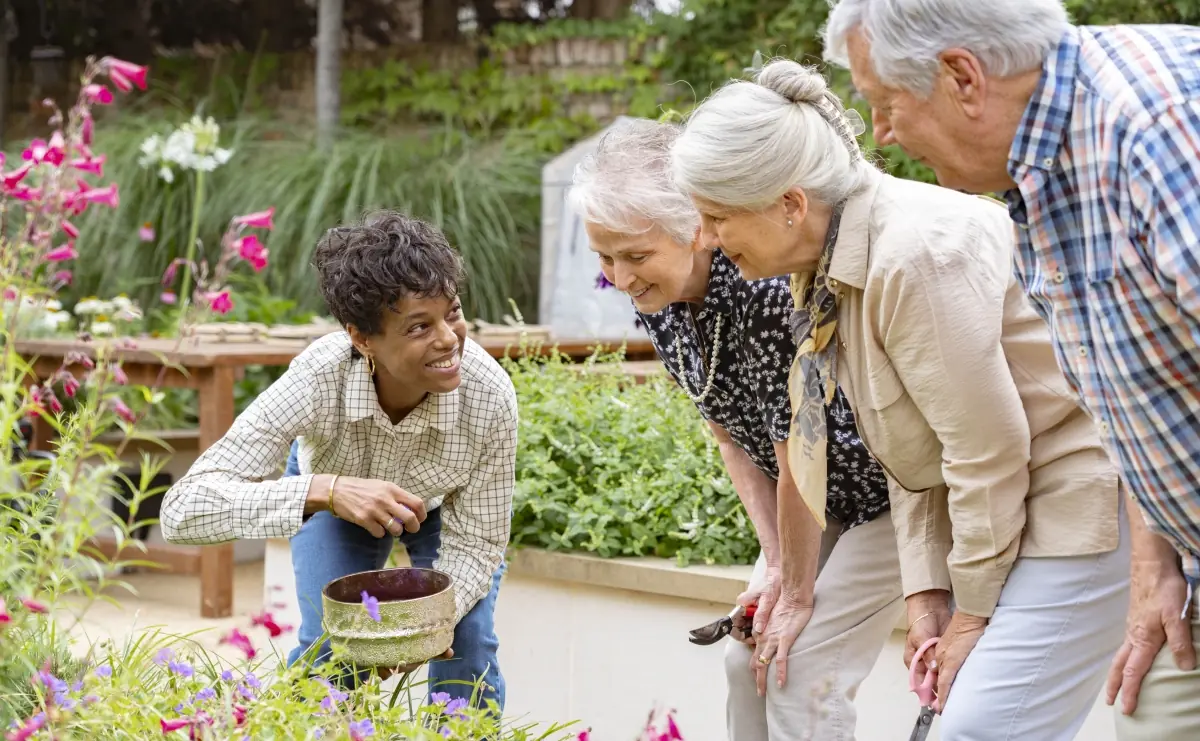
Shared interests can provide a natural starting point for new friendships. Music, art, literature, gardening and cultural activities, for example, give people something to talk about and opportunities to discover common ground. Trying something new can also bring a sense of achievement, introduce fresh perspectives and create opportunities to meet people outside an established social circle.
Age UK’s research into creative and cultural activities explored the importance of remaining engaged with the world in later life. The value lies not simply in filling time with activities, but in finding experiences that reflect individual interests and provide a genuine sense of enjoyment, purpose or connection.
Community also allows people to continue contributing their experience and knowledge. Volunteering, sharing skills or supporting family members can all provide a sense of purpose, reinforcing the idea that connection involves not only receiving support, but having something to offer.
Maintaining Relationships and Building New Connections
Forming new friendships does not make existing relationships any less important. Family members and long-standing friends provide continuity through periods of change, connecting people with their personal history, shared experiences and the people who know them best.
Maintaining these relationships often depends on small, regular gestures. A phone call, arranging a visit or making time for a conversation can help keep connections active. Taking the initiative to contact a friend or making plans to spend time together can also prevent relationships from drifting simply because everyday routines have changed.
Age UK’s research into making the most of later life highlights the importance of close relationships among people reporting higher levels of wellbeing. Its findings reinforce the value of nurturing existing connections while remaining open to new ones.
Everyone has different social preferences. Some people enjoy a busy calendar and frequent group activities, while others prefer quieter conversations and a smaller circle of close friends. The aim is not to achieve a particular level of social activity, but to have opportunities to connect in ways that feel comfortable and fulfilling.
For those living in residential care, welcoming visits from family and friends can be an important part of maintaining this continuity. Time together helps established relationships remain part of everyday life, while friendships formed within the residence can provide additional opportunities for companionship and shared interests. The two can complement one another, allowing people to maintain familiar bonds while developing new ones.
Creating a Sense of Belonging at Loveday
At Loveday, community is about supporting the relationships that matter to each resident while creating opportunities to discover new interests and enjoy shared experiences. Family and friends are encouraged to visit, helping residents maintain important connections and continue sharing their lives with the people closest to them.
Alongside these established relationships, Loveday offers opportunities to explore interests and meet others through its Extraordinary Days programme. Cultural excursions, museum visits, live performances, creative pursuits, lectures and masterclasses offer varied ways to engage with new ideas and experiences. Developed in collaboration with the University of West London’s Geller Institute of Ageing and Memory, the programme takes an evidence-led approach to wellbeing.
For those seeking further opportunities for social engagement, The Loveday Club offers a private members’ club experience with stimulating activities, opportunities to connect and award-winning dining.
By welcoming family and friends while offering opportunities to explore interests and form new friendships, Loveday helps residents maintain important relationships and develop a sense of belonging within the community. Each resident’s experience is shaped around their preferences, interests and relationships, with highly tailored care and enriching experiences supporting a fulfilling life.
To learn more about Loveday’s approach to bespoke care and enriching experiences, please contact our Relationship Team.