An exceptional later-life experience is shaped by far more than health alone. Research increasingly shows that wellbeing is also influenced by strong relationships, a sense of purpose and the ability to make choices in everyday life.
The World Health Organization (WHO) defines healthy ageing as creating the environments and opportunities that enable people to be and do what they value throughout their lives. Its framework focuses on functional ability: the capabilities that enable people to live well, including the ability to make decisions, maintain relationships and contribute to society. This highlights that living well in later life is not defined solely by health or care needs.
In this article, we explore what can make a later-life experience truly exceptional, from meaningful relationships and a sense of purpose to choice, connection and enriching experiences.
How Is “Exceptional” Defined in Later Life?
The WHO’s functional ability framework identifies several key areas that enable people to live well in later life:
- Meet basic needs
- Learn, grow and make decisions
- Be mobile
- Build and maintain relationships
- Contribute
But what can make later life exceptional?
Often, it is the personal and meaningful elements that make an experience feel exceptional. The WHO framework recognises the importance of what people value and their ability to achieve what matters to them. In practice, this means there is no universal definition of an exceptional later life. It is shaped by the interests, relationships, routines and ambitions that give each person’s life meaning.
A Sense of Purpose
Purpose can come from many sources throughout life: work, family, creativity, volunteering, learning, caring and much more.
A systematic review of 44 studies examining purpose in life among older adults identified six broad dimensions of purpose:
- Health and wellbeing
- Meaningful goals and purpose
- Inner strength
- Social relationships
- Mattering to others
- Spirituality and religiousness
This shows the complexity of purpose and how individuals can find meaning in different elements of their lives. The study also acknowledges that purpose in life is dynamic and changes in response to various environmental and life circumstances.
Researcher has also found estimated that purpose in life was associated with around 30% lower risk of early mortality, which was apparent across sociodemographic groups.
A sense of purpose can therefore be an important part of living well in later life. This might mean developing lifelong interests, taking on new challenges or continuing with familiar, fulfilling activities that remain meaningful to the individual.
Meaningful Relationships
As individuals move through later life, friendships, family connections and wider social networks often prove invaluable to wellbeing. Strong relationships provide companionship and stimulation through enjoyable conversation, but also foster a sense of belonging through shared experiences and familiarity.
The WHO identifies the importance of high-quality social connections, noting that they are essential to mental and physical health as well as our wellbeing. Social interaction is often most rewarding when it reflects genuine interests, and connections can develop naturally over time. Based on this, an exceptional later life likely needs to include high-quality social experiences that hold true value and meaning.
Learning, Exploring, Creating
Curiosity does not have an age limit and learning something new can bring structure, stimulation and a sense of achievement. Research commissioned by the UK Government found associations between lifelong learning and outcomes including life satisfaction and self-efficacy.
Adult learning can take many forms, from learning a language or attending a lecture, to taking up painting, playing an instrument, learning to sew and so much more. Creative pursuits can offer intellectual stimulation alongside opportunities for self-expression and social connection.
Above all, individuals should have the choice to continue and pursue activities and interests that truly appeal to them. Exceptional life experiences contain self-discovery, personal growth and achievement, as well as sparking a sense of joy during the journey.
Independence
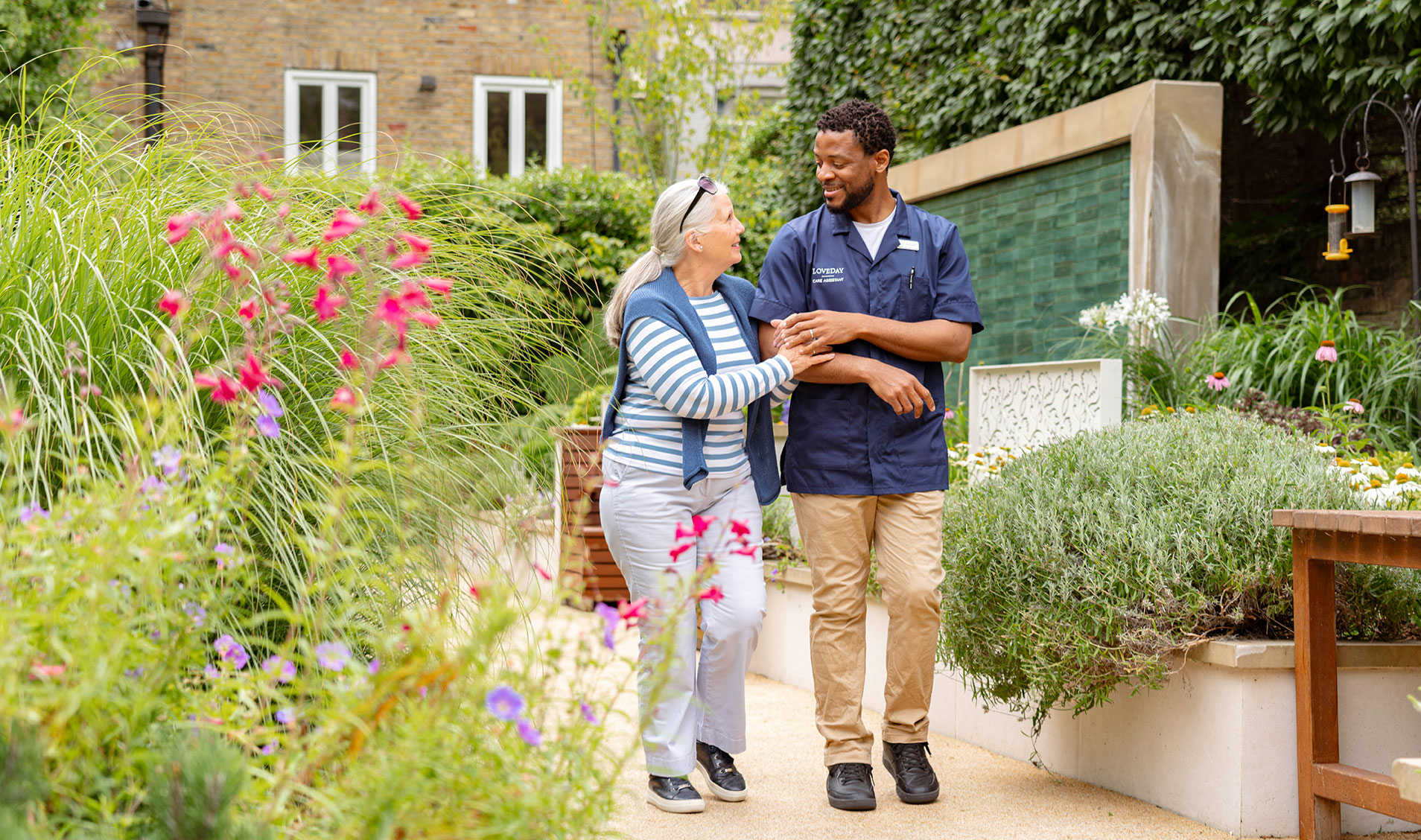
The independence to move through the world with confidence and make active choices about how each day will look is a significant facet of overall wellbeing. When mobility is compromised, support to maintain independent choice is key.
The WHO’s healthy ageing framework focuses on functional ability, which encompasses the capabilities that enable people to be and do what they value, including being mobile, making decisions and maintaining relationships. Independence, ultimately, is about more than what a person can do physically. It is about having agency and decision-making power, with the freedom and support to act on choices and preferences.
Positive Environments
The WHO’s healthy ageing framework emphasises the importance of the right environment, in enabling people to exercise choice, maintain relationships, remain mobile and continue doing what matters to them. The right environment can make it easier for people to live in ways that reflect their values and preferences.
Immediate environment is important, but so are the surroundings. The availability of green and natural spaces is one of the most common reasons people aged 50 and over give for feeling pride in their local area. Environments can be practical, beautiful, relaxing and enjoyable, and should provide the ideal setting for exceptional living.
Care as an Enabler of a Fuller Life
The right care should enable people to continue living a life that feels meaningful and fulfilling. Care can:
- Support independence
- Deliver good-quality nutrition while providing pleasure in food
- Provide touches of luxury
- Enable mobility and build confidence
- Create continuity and stability
- Adapt to evolving needs as life progresses
When care is thoughtfully designed around the individual, it can enable them to continue living a life that reflects their needs, preferences and priorities. The WHO advocates for integrated care that puts these considerations at the heart of support for older people.
There is no universal formula for an exceptional later life. Understanding what brings meaning and fulfilment to each individual, and finding ways to support those things over time, should be at the heart of care.
At Loveday, we believe exceptional care should create space for the things that make life meaningful. Our approach is built around understanding each individual and supporting the choices, relationships and experiences that matter to them. Contact our Relationship Team to understand more about our ethos and find out how we commit to making every day exceptional.