Complex care rarely fits neatly into a single category. An individual may need regular nursing support, clinical monitoring, specialist expertise and carefully coordinated care, while also having established interests, routines and relationships that remain an important part of everyday life.
Providing this breadth of support requires more than responding to individual clinical requirements as they arise. It means considering how different aspects of care connect, from the expertise needed to manage complex needs through to the environment, experiences and everyday choices that shape the way someone lives.
The World Health Organization’s Integrated Care for Older People (ICOPE) approach advocates personalised care planning that considers the individual as a whole, with assessment, care planning, implementation and ongoing monitoring forming part of the process.
So, what does a genuinely comprehensive approach look like in practice, and how can clinical support and lifestyle enrichment work together when care needs are complex?
Understanding the Complexity of Care
Complex care can mean different things to different people. It may involve several long-term health conditions, ongoing clinical monitoring, complex medication requirements, mobility challenges, neurological or cognitive conditions, or the need for support from several healthcare professionals.
What makes care complex is often not one individual condition, but the way different needs interact and change over time. A person may require specialist clinical expertise while also wanting to maintain established routines, relationships and interests.
When considering people living with multiple long-term conditions, NICE guidance on multimorbidity recommends taking account of how conditions and their treatments interact, alongside the individual’s needs, preferences, lifestyle and goals.
This broader perspective is important because clinical needs do not exist separately from everyday life. The way someone eats, sleeps, moves, socialises and spends their time can all be affected by their health, while their preferences and routines can also influence how support is best provided.
The Role of Clinical Expertise
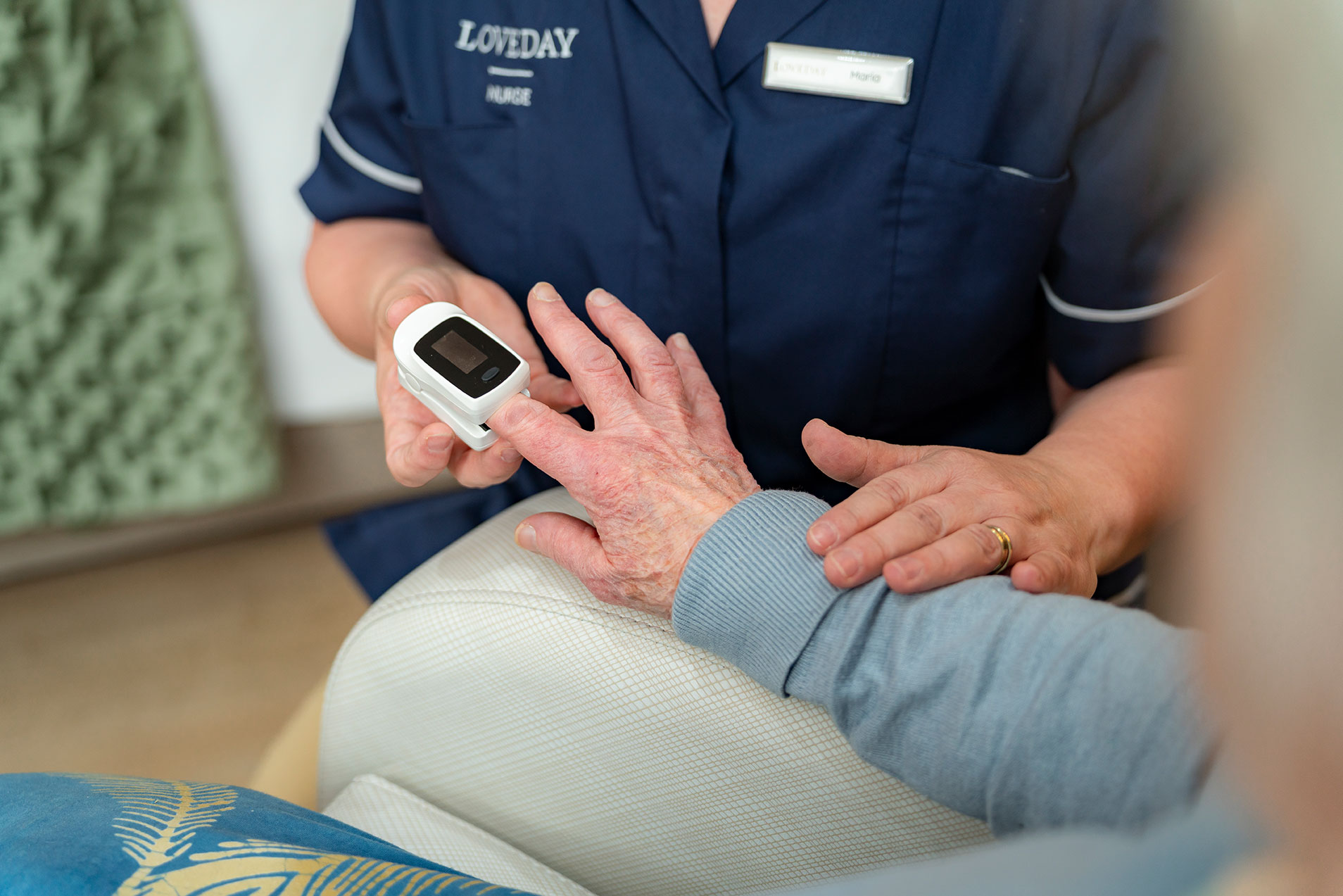
For someone with complex care needs, clinical expertise provides an essential foundation. Appropriate nursing support can help with ongoing observation, medication and treatment, while specialist knowledge may be required to understand particular conditions or respond when needs change.
The role of clinical support is not necessarily limited to responding when something happens. Regular observation and a detailed understanding of an individual’s health can help identify changes and ensure that care remains appropriate as their requirements evolve.
This can be particularly important when several aspects of someone’s health interact. Changes in mobility, for example, may affect how someone participates in everyday activities, while changes in medication or dietary requirements may influence established routines. Understanding these connections allows clinical care to be considered in the context of the person’s wider life.
Beyond the Clinical: Supporting the Individual Experience
Clinical expertise is essential, but it is only one dimension of a person’s experience.
Someone may have complex neurological needs while continuing to have a deep interest in music. Someone recovering from surgery may still want to spend time with family over a meal. Someone whose mobility has changed may still want to pursue a familiar hobby or explore something new.
The point is not that these interests somehow sit outside clinical care. Rather, understanding them can help create a more complete picture of the individual and how they want to spend their time.
This can also change the way practical decisions are approached.
A dietary requirement, for example, is not simply a matter of determining what someone can eat. Food can also be connected to preference, routine, pleasure and social experience. Similarly, supporting mobility can be about more than physical movement when the ability to move around also determines whether someone can visit a garden, join others for lunch or take part in something they enjoy.
When these considerations are understood together, lifestyle enrichment becomes less about filling someone’s day and more about creating the conditions for them to continue living in ways that feel familiar, enjoyable and meaningful.
When Care Adapts Around the Individual
Complex needs can change over time, and an approach that works well at one point may need to evolve.
This makes adaptability an important part of comprehensive care. It may mean adjusting the way clinical support is delivered, reconsidering how someone participates in everyday experiences, or finding different ways to accommodate interests and routines.
Consider someone who has always enjoyed entertaining family over a long lunch. If their nutritional requirements change, or they need greater support during mealtimes, those clinical considerations do not have to remove the social and personal significance of the occasion. With the right understanding, support can be shaped around both.
The same principle can apply to mobility. If someone who enjoys spending time outdoors becomes less mobile, the response does not necessarily have to be giving up that experience. It may instead involve adapting how and where they spend time outside, with the appropriate support.
This is where clinical understanding and lifestyle support can work particularly well together. Knowing what someone needs medically can help determine how an experience can be made appropriate, while knowing what matters to them helps ensure that care remains relevant to their life.
Creating a Richer Experience of Later Life
Full-spectrum support is ultimately about bringing these different elements together.
Clinical care needs to be sufficiently sophisticated to respond to complex and changing requirements. At the same time, it needs to exist within an environment that recognises the individual beyond their health needs.
That might mean specialist nursing alongside a favourite daily routine, clinical oversight alongside time with family, or carefully considered nutritional support alongside the enjoyment of food. None of these elements needs to be viewed in isolation.
The result is an approach where clinical expertise becomes part of a wider experience of living, rather than the defining feature of every day.
At Loveday, this combination of clinical expertise and enriched living sits at the heart of our approach to care. Our nursing services provide specialist support for complex and evolving needs within an environment where individual preferences, experiences and relationships remain an important part of everyday life.
For individuals with complex care needs, that breadth of support can allow clinical requirements and the experiences that make life enjoyable to exist alongside one another.
To learn more about Loveday and our approach to care, please contact our Relationship Team.