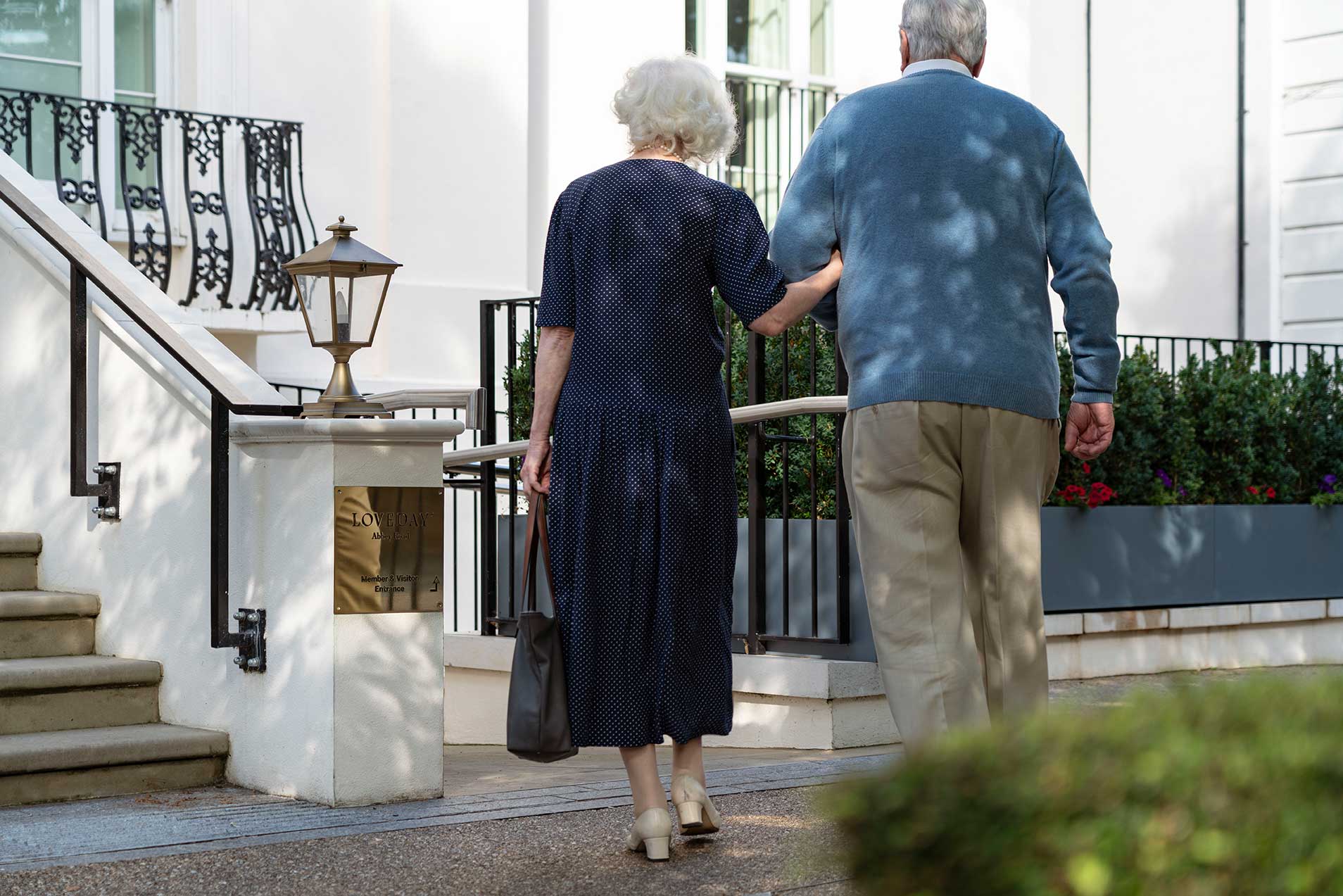
London is a vibrant city with a lot to offer, and it is increasingly gaining popularity as a place to retire and live well in later life. For many older adults, London offers the culture, connectivity and variety that form the fabric of a rich and fulfilling life, alongside offering convenient access to necessary amenities and world-leading healthcare services to support wellbeing and independence.
Currently, around 1,050,500 people living in London are aged 65 or over (about 12%), and that number is set to increase. The Office for National Statistics has estimated this demographic will increase by almost 25% in the capital between 2016 and 2026, the largest growth projected for any English region. And London is actively working to become a fulfilling place to live in later life, implementing an action plan after joining the World Health Organization’s Global Network of Age-friendly Cities and Communities. The agenda spans housing, outdoor spaces, transport, social participation, employment, communication and more with the aim of making London a more inclusive city for individuals in later life.
In this article, we dive into why London is becoming ever more popular with those over 65, and explore the ways that later-life living can be enriched by the city’s energy and inclusivity.
Rethinking Later-Life Living
Later life can be an exciting time, as individuals retire and new possibilities open up. This life stage can also bring with it concerns around health, lifestyle and how people want to spend their time.. However, older adults may have more control over their health and wellness than previously thought according to a report from the Oxford Longevity Project that challenges assumptions around the inevitability of physical decline. This is supported by research from the Yale School of Public Health, which found that older individuals can and do improve over time, and one of the key factors influencing this is their mindset towards ageing.
Can the place that people live also impact happiness? Research has shown that older adults often want to “age in place”, living in a location of their choice while retaining control and continuity. This element of careful human decision-making can have a tangible impact on satisfaction, contributing to health and happiness throughout the course of an individual’s life and into older age.
Why London Can Deliver a High Standard of Later Life Living
The Mayor of London has highlighted that many older Londoners love the city for its family and community connections, meaning they are less likely to feel lonely. London’s age-friendly strategy aims to create an environment where older adults can pursue interests, maintain relationships and participate fully in city life.
These are some of the areas where London can deliver particular valuein later life.
Accessible Healthcare
With a concentration of healthcare services and hospitals in London, accessibility to the right professionals at the right time is made simpler. As healthcare needs evolve over time, this proximity is important to quality of life.
London also attracts leading doctors and practitioners, so specialist treatments can often be accessed locally. The capital is home to some of the country’s leading specialist centres including The Royal Marsden, Royal National Orthopaedic Hospital and Moorfields Eye Hospital, which are ranked among the six highest-performing specialist acute trusts.
Cultural Connections
Few cities can rival London when it comes to the provision of cultural experiences. From history and landmarks, to theatre, art and music, London has plenty to offer, and many world-class museums and galleries are free to enter. This richness is valued by many residents, and Age UK found the majority of older Londoners perceived the capital to be a vibrant ‘melting pot’ of people and ideas.
A Wealth of Social Opportunities
The city has a diverse mix of restaurants, cafés and spaces that can make maintaining a busy social life attainable, as well as a range of social activities, events, clubs and societies. These provideopportunities to cultivate existing connections, as well as to make new ones. Different neighbourhoods have their own character and opportunities to pursue distinct social experiences.
Maintaining Meaningful Relationships
London’s extensive transport networks and accessibility can make it easier to remain an active part of family life, whether that means spending time with grandchildren, meeting family members for lunch or continuing to attend familiar social and cultural events. These everyday connections can provide continuity and a sense of belonging, while allowing relationships to evolve naturally throughout later life. Research by Age UK London found that older Londoners place significant value on family and community relationships, with 76% satisfied with their family and community connections.
Independence
Independence in later life can take many forms, from the ability to choose how each day is spent, to having the means to make journeys and pursue interests. Living in London can give individuals choice and autonomy, with the breadth of amenities and excellent transport options. Two thirds of older Londoners regularly travel by bus, enjoying a sense of independence brought about by living in the capital and using its services as an integral part of life.
Open Spaces and Infrastructure
The capital is a green and enjoyable place to be, with extensive parks, gardens and open spaces. It’s easy to see how this makes London an attractive option, helping residents stay connected to nature.
London’s infrastructure supports access to open spaces and other places of interest, with its expansive transport network and commitment to inclusivity. The London Plan outlines how boroughs should support the creation of inclusive neighbourhoods through inclusive design, taking into account London’s diverse population and ensuring developments are high-quality, people-focused, accessible and welcoming.
Choosing How and Where to Live in London
Where people choose to live can shape their experience of later life, and London offers a wide range of neighbourhoods, each with its own character, amenities and connections.
For those considering a later-life move to London or already live in the city and would like further support, Loveday offers luxury living with tailored care so you can maintain independence, pursue interests and live life well. Located in some of capital’s most distinguished neighbourhoods, Loveday residences are surrounded by the beauty, vibrancy and true character that define London living. Contact our Relationship Team for further information on later life living in Belgravia, Kensington and Abbey Road.