


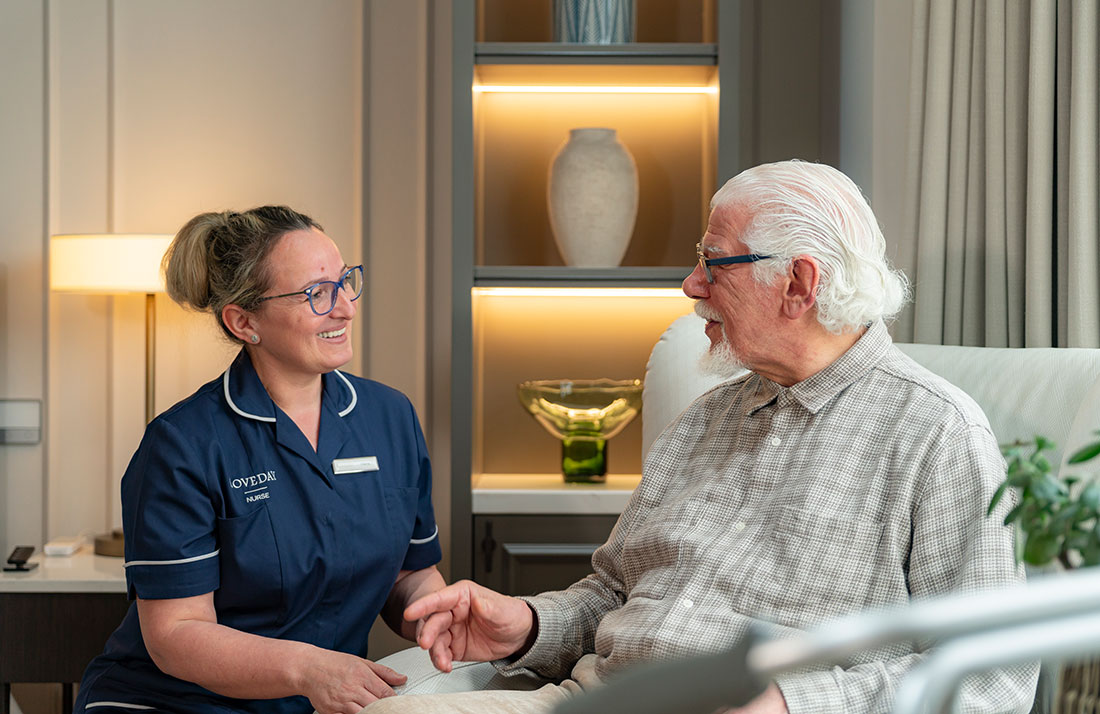
As people move through later life, their circumstances can naturally change. Health needs may evolve; mobility may become more challenging and additional support may be required to help maintain independence, wellbeing and quality of life.
During these periods of change, continuity of care becomes increasingly important. It ensures that the people providing support have a clear understanding of an individual’s history, preferences and circumstances, allowing care to remain consistent, coordinated and centred around the person.
The importance of continuity is recognised within adult social care guidance from the National Institute for Health and Care Excellence (NICE), which highlights the value of ensuring people receive care and support from familiar individuals who understand their needs, preferences and circumstances. This approach helps build positive relationships, promote wellbeing and support a better quality of life.
For families exploring care options, continuity is an important consideration. It is not simply about ensuring someone receives the right level of support, but about finding an environment where they continue to feel recognised, respected and understood.
Coordinated Care Creates Consistency
Later life care can involve input from different professionals, particularly when an individual has more complex health requirements. Maintaining clear communication and effective information sharing helps ensure that everyone involved has an accurate understanding of the support being provided.
This becomes particularly important when circumstances change. Whether someone’s mobility, health or daily requirements evolve, having access to relevant information and a clear understanding of their circumstances allows care teams to make informed decisions and provide appropriate support.
For example, if an individual begins experiencing changes in mobility, a team that understands their previous abilities, routines and health background is better placed to recognise what has changed and consider the most suitable support. Rather than responding only to an immediate concern, they can consider the wider picture of the individual and how best to maintain their comfort, confidence and independence.
Continuity also provides stability during periods of transition. When someone’s support needs change, familiarity with their circumstances can help create a more reassuring experience and reduce unnecessary uncertainty.
Knowing The Individual Creates Personalised Support
Continuity of care is not only about maintaining accurate information. It is also about understanding the person behind their care requirements.
Every individual has a lifetime of experiences, relationships, routines and preferences that shape who they are. These details remain important throughout later life, regardless of the level of support someone requires.
Over time, consistent relationships allow care teams to develop a deeper understanding of what matters to an individual. This may include routines that provide familiarity, activities they enjoy, how they prefer to spend their day, or the small details that help them feel comfortable in their surroundings.
This understanding can make a significant difference to everyday experiences. Knowing that someone prefers a particular routine, enjoys a certain activity or finds reassurance in familiar surroundings allows support to feel more natural and personal.
The aim is not simply to provide care, but to help individuals continue living in a way that reflects who they are.
Continuity Provides Reassurance For Families
For families, one of the greatest reassurances is knowing that their loved one is understood by the people supporting them.
Open and consistent communication between families and care teams helps build confidence and trust. Families often hold valuable knowledge about a person’s history, personality and preferences, and sharing this insight helps create a more complete understanding of the individual.
Equally, regular communication from the care team provides families with reassurance that they remain informed about their loved one’s wellbeing and any changes in their circumstances.
This collaborative approach allows families to remain involved while giving them confidence that support continues to reflect the person they know and love.
It also allows families to focus on enjoying meaningful time together, rather than feeling responsible for coordinating every aspect of care.
Creating Continuity At Loveday
At Loveday, continuity of care is about creating an experience where residents feel known, valued and supported throughout their time within our residences.
Understanding each resident begins before they arrive. Our teams take time to learn about their history, preferences and individual requirements, helping to create a truly bespoke approach from the beginning.
This understanding continues through everyday life. From recognising personal routines and interests to creating a familiar living environment within each resident’s suite, every detail contributes to an experience that feels comfortable and considered.
By combining clinical expertise, hospitality and a highly tailored approach, Loveday provides residences where individuals can receive the support they need while continuing to enjoy the relationships, interests and experiences that matter most to them.
For families considering future care options, understanding how a provider approaches continuity of care can be an important part of finding the right environment for their loved one.
To learn more about Loveday and our approach to residential care, contact our Relationship Team today.